



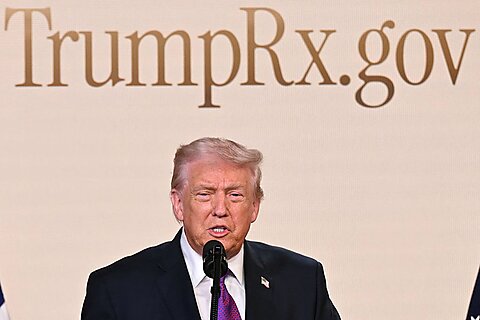
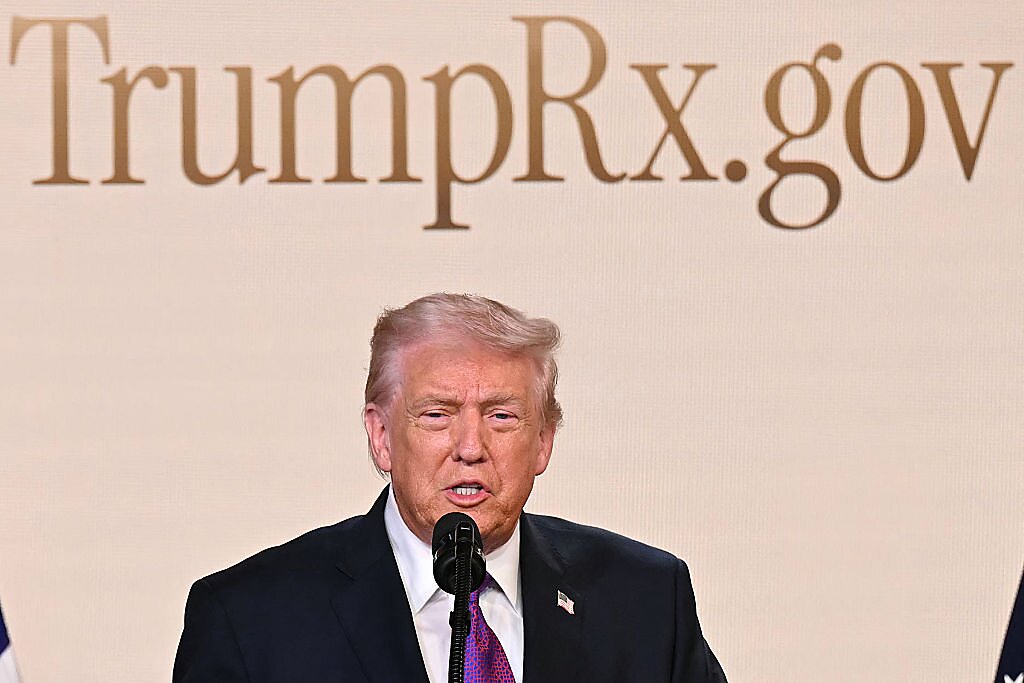
This evening at 7:00 p.m. Eastern Time, President Trump announced the launch of TrumpRx, the government-run direct-to-consumer (DTC) drug purchasing platform. Essentially, TrumpRx will act less as a pharmacy and more as a portal directing patients to manufacturers’ cash-price sales platforms negotiated by the administration. Supporters view the initiative as a way to eliminate intermediaries and offer patients lower prices.
President Trump is correct that DTC sales of prescription drugs can put downward pressure on prices. We’ve seen this dynamic repeatedly when medications transition from prescription-only to over-the-counter status.
As Michael F. Cannon and I discuss in our Cato white paper Drug Reformation, third-party payment arrangements tend to drive up drug prices. When insurers or government programs are paying most of the bill, patients have little incentive to resist high prices. In fact, they often push back when payers try to steer them toward lower-cost drugs or pharmacies because any savings go to the insurer, employer, or government—not to them. Insurers, for their part, know that denying coverage or refusing to pay list prices can cause backlash from beneficiaries who feel entitled to whatever their plan covers.
Coverage decisions by both public and private insurers greatly influence drug pricing. This inflationary cycle is more apparent in the prescription market than in the over-the-counter (OTC) market because insurance typically covers prescription drugs but usually stops covering them once they become OTC. When that happens, consumers pay out of pocket—and prices often decline because purchasing becomes more sensitive to cost.
When consumers control the money, they comparison shop and weigh price against benefit. When deep-pocketed third parties cover most of the cost, price sensitivity diminishes—and producers face less resistance to higher pricing.
The problem isn’t the DTC model. It’s the assumption that the federal government needs to run it. A growing private marketplace already exists, including platforms such as Mark Cuban’s Cost Plus Drug Company, Amazon Pharmacy, and GoodRx, as well as pharmaceutical manufacturers that sell directly to patients through their own websites.
PhRMA (the Pharmaceutical Research and Manufacturers of America), the trade association representing the country’s pharmaceutical industry, is also getting into the act. It recently announced the launch of AmericasMedicines.com, a website that connects patients with manufacturers’ direct-purchase programs.
Injecting government into this space risks crowding out private innovation and inviting the familiar problems of political favoritism, coercion, and regulatory corruption. Some lawmakers are raising concerns about conflicts of interest, transparency, and whether the platform’s structure could violate federal anti-kickback rules—especially given its reliance on partnerships with drugmakers and its connections to existing online pharmacy and telehealth fulfillment channels.
If the administration wants to expand direct-to-consumer drug purchasing, the most effective role it can play is not to build a federal platform but to eliminate policy barriers that hinder private actors from competing, innovating, and lowering prices on their own. That involves rolling back regulations that restrict manufacturer-to-patient sales, removing contractual and regulatory obstacles that prevent pharmacies and wholesalers from offering transparent cash prices, easing restrictions on telehealth prescribing tied to online fulfillment, and lowering the tax and compliance penalties that discourage patients from buying medicines outside third-party payment systems.
As Michael F. Cannon has shown in his work on the tax exclusion for employer-sponsored insurance, federal tax policy actively discourages patients from operating outside third-party payment systems by penalizing those who try to control their health care dollars outside employer- and insurer-managed systems.
The lesson of every market touched by third-party payment is the same: when patients control the dollars, prices fall, and value rises. TrumpRx risks moving policy in the opposite direction—substituting political allocation for consumer choice in a space that is only now beginning to function like a real market—one where patients, not payers or politicians, make the purchasing decisions.