




On March 30, US District Judge Roy Dalton drew a line in the Florida sand, injecting a dose of sanity into a legal system that has increasingly forgotten its own boundaries. Judge Dalton properly granted a motion for a judgment of acquittal for Giovanni Isai Ramirez Reyes, a soccer fan who had been facing a mandatory seven-year federal prison sentence for a moment of reckless stupidity.
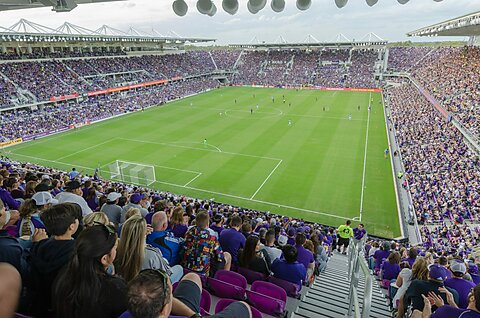
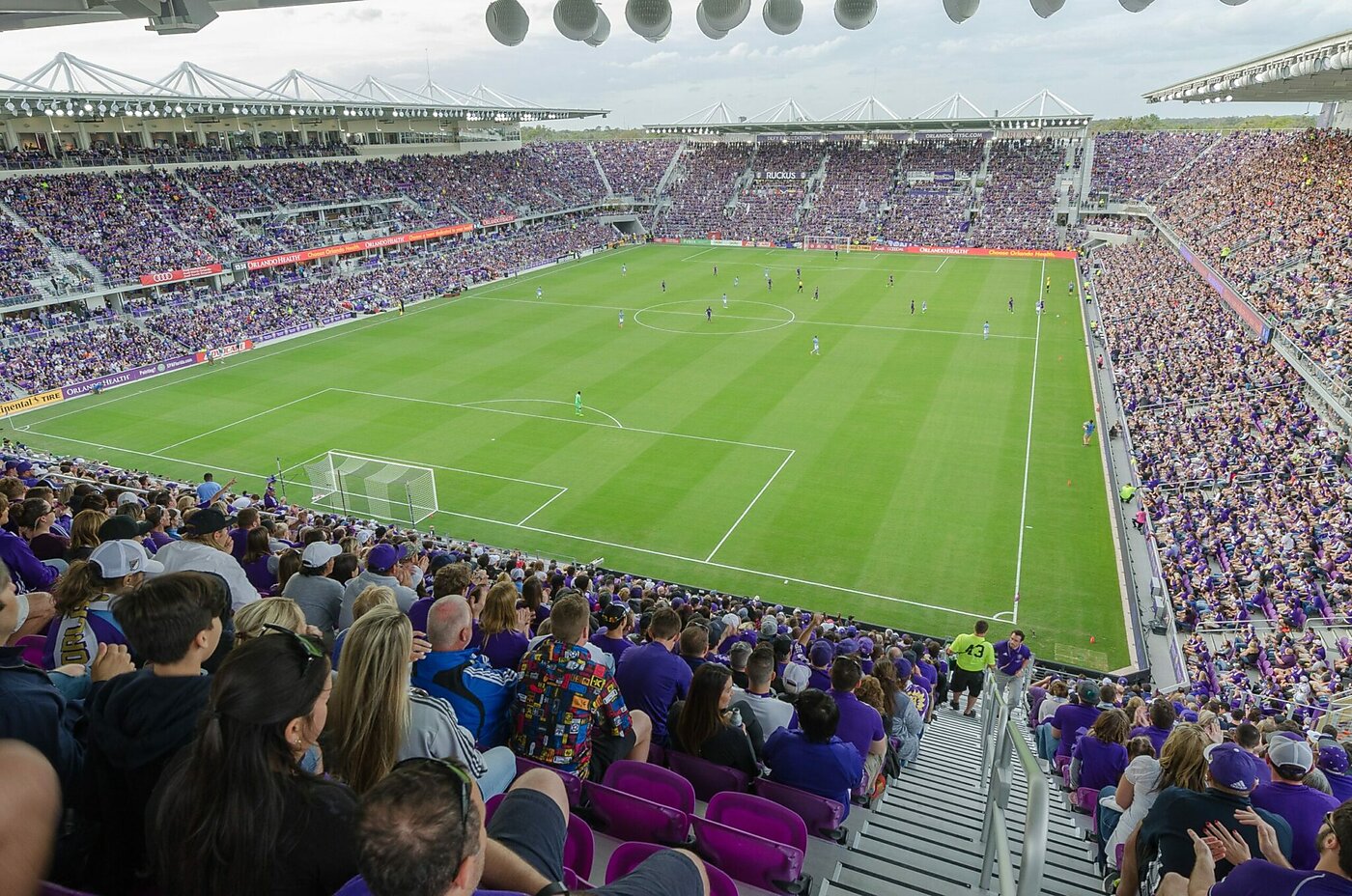
The saga began in February 2024 at Orlando’s Inter&Co Stadium. Ramirez Reyes ignited marine flares in a moment of undeniable, reckless stupidity. The result was minor property damage—some scorched bleachers—and a superficial burn to a child. In a rational legal system, this would have been a quintessential local matter. Instead, federal prosecutors stepped in—that’s where things went off the rails.
The US Attorney for the Middle District of Florida charged Ramirez Reyes under a federal arson statute. As Judge Dalton noted, a law enacted by Congress to combat bombings and professional arsonists was stretched to cover “malicious mischief” and “minor damage to property.” By treating a soccer fan’s recklessness as federal arson, the government didn’t just overcharge a defendant; it encroached on a jurisdiction that, under the Constitution, belongs to the state of Florida.
While the Framers designed a federal government of only finite, enumerated powers, federal law can be stretched beyond constitutional bounds and often is. To understand how a soccer flare became a federal crisis, one must travel four hundred miles south on US 1 to the Hemingway Home and Museum in Key West. For nearly a century, the descendants of Ernest Hemingway’s six-toed cat, Snowball, have roamed the grounds as local icons. But in 2003, the US Department of Agriculture claimed that pursuant to the Animal Welfare Act—a law meant to regulate traveling circuses and zoos—the Hemingway Home is essentially a zoo, and the cats are functionally an exhibit. Applying an expansive view of the Commerce Clause, the US Court of Appeals for the Eleventh Circuit held that because the museum sells cat-themed merchandise and advertises to tourists online, the cats substantially affect interstate commerce, authorizing the federal government to regulate their living conditions.
This logic, where selling a gift-shop trinket turns cats marooned on an island at the southernmost point of the continental United States into a federal matter, provided the blueprint for the overreach seen in Orlando.
When federal prosecutors charged Ramirez Reyes with federal arson, they relied on that same blank check logic. By treating scorched bleachers as a federal crime, the government did more than just overcharge a defendant; it encroached on a jurisdiction that the Constitution expressly reserves for the states. If a soccer fan’s recklessness can be federalized simply because a stadium hosts out-of-state fans, then no corner of American life is safe from the meddling of a distant bureaucracy.
If the federal government continues to use the Commerce Clause as a catch-all to regulate everything from unsheltered cats to minor local disturbances, the Framers’ vision of constitutionally limited government will cease to exist. As illustrated by the fallout of the Ramirez Reyes case, the primary danger to our federalist system is a bureaucracy that has lost the ability to distinguish between matters of national importance and isolated acts of local indiscretion.
Last week, the Justice Department filed its notice of appeal. This case provides the Eleventh Circuit with the ideal vehicle by which it can formally renounce its preposterous ruling in the Hemingway Home case.