Politics
The US fiat monetary regime not only has given us inflation and boom-and-bust cycles, but it also is the main contributor to the out-of-control...

Hi, what are you looking for?

Friday Feature: Rising Scholars Collective
Trump’s Trade Delusion: Why Dismissing Canada and Mexico Echoes a Dynasty’s Downfall

New NAEP Results: More Evidence That the Status Quo Isn’t Working

FISA Section 702 Lapse Assured—What Now?

After a Year of High Tariffs, the US Goods Trade Deficit Has Barely Budged
Friday Feature: Rising Scholars Collective
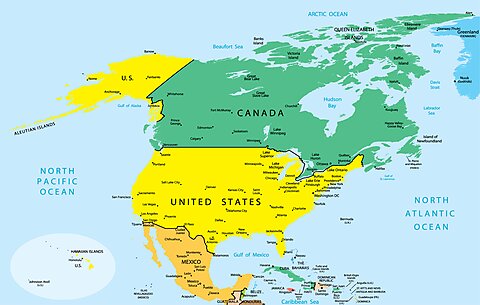
Trump’s Trade Delusion: Why Dismissing Canada and Mexico Echoes a Dynasty’s Downfall
New NAEP Results: More Evidence That the Status Quo Isn’t Working
FISA Section 702 Lapse Assured—What Now?
After a Year of High Tariffs, the US Goods Trade Deficit Has Barely Budged

Colleen Hroncich In 2021, Farryn Slaton-Barkley picked up her young son from daycare and noticed something was wrong. He kept repeating his teacher’s name,...
James Bacchus (Getty Images) In yet another of his unending twists on trade, President Donald Trump has suggested he may not renew the current...
Egalitarian interpreters of the Declaration not only empower the centralized state but promote a view of “equality” that shares a common ethical error with...
The US is not the only country with an out-of-control central bank. Brazilians are feeling the pain from decades of irresponsible central bank and...

Colleen Hroncich (Getty Images) The latest Long-Term Trend results from the National Assessment of Educational Progress (NAEP)—dubbed the Nation’s Report Card—are out, and they’re...

Patrick G. Eddington If you’ve followed the Section 702 reauthorization debate this week, you’ve heard a parade of warnings about imminent intelligence darkness. Speaker...
The US fiat monetary regime not only has given us inflation and boom-and-bust cycles, but it also is the main contributor to the out-of-control...
The standard line among most economists is that deflation is as bad or even worse than inflation. In reality, the economy needs deflation now...
If this ballot initiative passes in November 2026, then California’s billionaire exodus will continue, followed by the multimillionaires.
Bob sits down with Dr. Jonathan Newman to discuss his Mises Academy course for homeschooling families based on Lessons for the Young Economist, using...


Michael F. Cannon (Source: Jfinch, Wikimedia Commons) Suppose Congress funds Social Security entirely by taxing the wealthy, who would never spend money in a...