
Connect with us
Hi, what are you looking for?
Brilliant Achievement
- Investing

Protectionist Darling Whirlpool Circles the Drain
The Fed Is Working on a CBDC, Despite Executive Order

The JAWBONE Act Is on the Right Track to Stop Government Coercion

New Cato Study Debunks Decades of Conventional Wisdom on State Funding and Rising Tuition
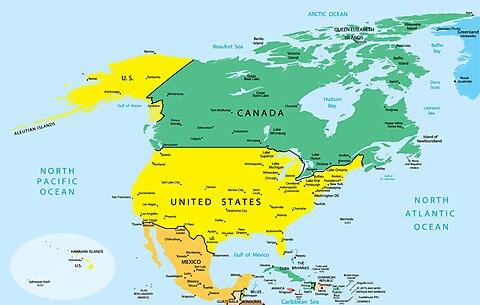
Not Renewing USMCA Isn’t the Deal’s Death Knell—But It Isn’t Costless Either
- Editor’s Pick
Protectionist Darling Whirlpool Circles the Drain
The Fed Is Working on a CBDC, Despite Executive Order
The JAWBONE Act Is on the Right Track to Stop Government Coercion
New Cato Study Debunks Decades of Conventional Wisdom on State Funding and Rising Tuition
Not Renewing USMCA Isn’t the Deal’s Death Knell—But It Isn’t Costless Either
Politics
According to AOC and Bernie Sanders, it is impossible for someone to obtain a billion dollars of income by any means beyond theft. How...
Politics
Economists like Harold Demsetz and Ronald Coase based their property rights views on utilitarianism. Murray Rothbard based his on justice.
Politics
When inflation surges, the first thing on the government’s agenda is for the Federal Reserve to try to force up interest rates. However, as...
Politics
The covid lockdowns were useless for public health, but they vastly strengthened government’s stranglehold over our lives. We cannot allow this to happen again.
Politics
Contrary to the myth that kings routinely ruled over cowed subordinates by “divine right” in the Middle Ages, civil governments of the period faced...
Politics
Pope Leo, in Magnifica Humanitas, opposes AI because it further empowers the few who are enormously rich at the expense of the many and...
Politics
On June 8, 1967, the U.S.S. Liberty was attacked by the State of Israel. Our “greatest ally” killed 34 Liberty crew members and wounded...
Politics
Trump is trapped in a genuinely difficult situation as he tries to reach a deal with Iran. But it is a crisis of his...
Politics
President Donald Trump claims a peace deal with Iran is only “two or three” days away.
Politics
“The introduction of the smartphone ” played a sizable role in the decline in US births” after 2007 as it shaped people’s behavior with...
Politics
Not surprisingly, the present government is rapidly politicizing artificial intelligence. We don’t have to look far for disastrous results.